
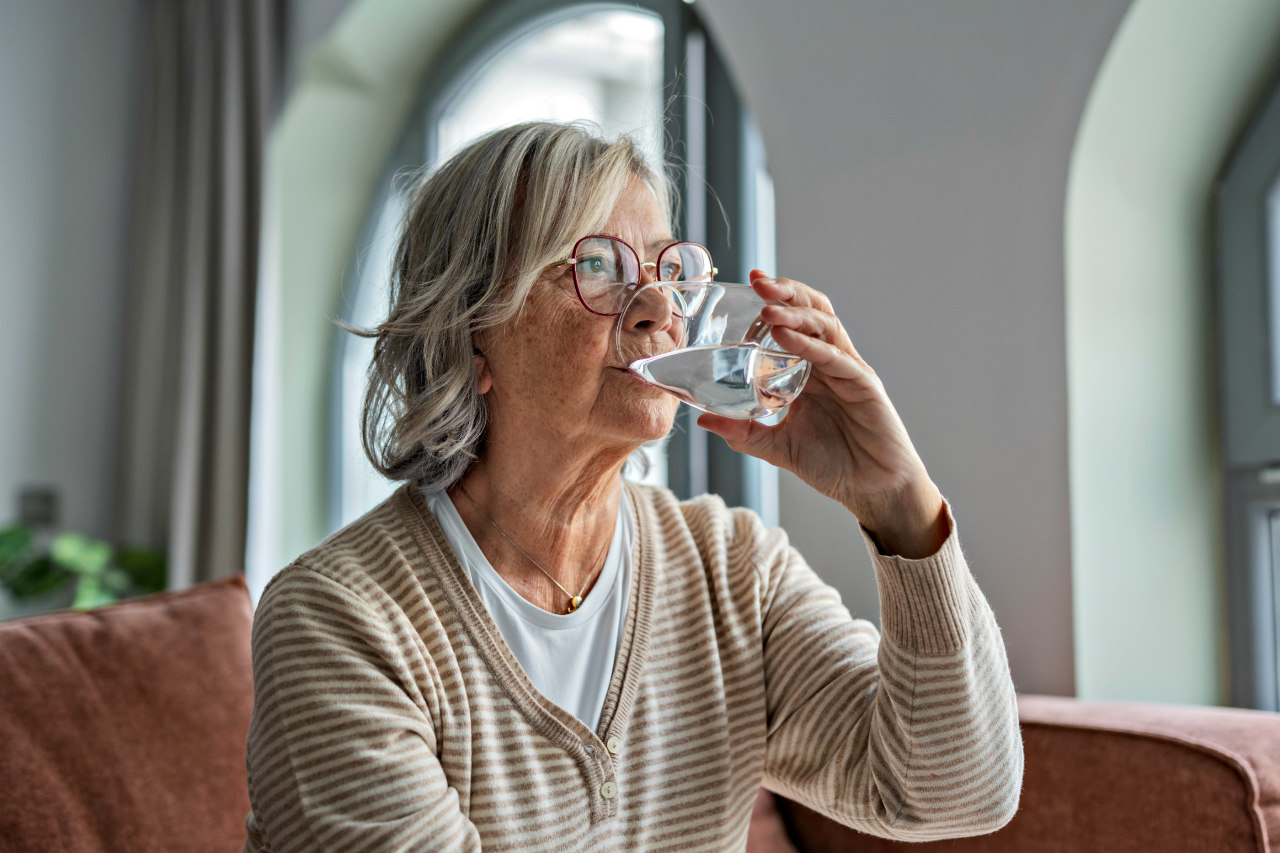
With the recent heatwaves hitting the UK, many families are understandably worried about how older relatives will cope with rising temperatures. Older adults are far more vulnerable to dehydration, heat exhaustion and heatstroke, particularly if they live with long‑term health conditions or mobility issues. Hydration is not just about drinking the odd glass of water – it is about having consistent support throughout the day to drink enough, stay cool and spot early warning signs before a problem becomes serious.
Live‑in care and specialist care services such as complex care, respite care and rehabilitation care can all play a vital role in safeguarding older adults during warmer weather, offering one‑to‑one support at home where people feel most comfortable.
As we age, our bodies change in ways that make dehydration more likely. Older people often experience a reduced sense of thirst, so they may simply not feel the urge to drink, even when their body needs fluids. Health conditions such as kidney disease, dementia, Parkinson’s and diabetes, as well as incontinence, can all increase fluid loss or make drinking regularly more difficult.
Medications prescribed for common age‑related conditions can also affect hydration, either by increasing urination or by altering how the body regulates temperature and fluids. When you combine these factors with hot weather, the risk of dehydration rises significantly, especially for those who live alone or rely on others for daily support.
Dehydration can have a serious impact on an older person’s health and independence. Even mild fluid loss can lead to headaches, fatigue and low mood, which in turn may reduce appetite and motivation to drink or eat. More severe dehydration is linked to confusion, dizziness, low blood pressure and an increased risk of falls, all of which can lead to hospital admission.
In the longer term, poor hydration is associated with constipation, urinary tract infections, kidney problems and blood clot complications. For someone who already has complex needs, such as advanced dementia or multiple long‑term conditions, avoiding dehydration is essential to maintaining stability, managing symptoms and preventing further decline.
Recognising dehydration early can prevent a minor issue from becoming a medical emergency. Common signs in older adults include dry mouth, dark‑coloured urine, reduced urination, headaches and increased tiredness. You may also notice confusion, dizziness, irritability or sudden changes in behaviour, which can be particularly difficult to identify in someone already living with dementia.
In more serious cases, dehydration can cause rapid breathing, low blood pressure, a fast pulse and, in extreme situations, loss of consciousness. If an older person shows these symptoms, especially during a heatwave, it is important to seek medical advice quickly and increase fluid intake where safe to do so.
Everyone is different, but there are helpful guidelines to aim for. European recommendations suggest that men should drink around 2 litres of fluid a day and women around 1.6 litres, with additional fluids coming from food. Some experts suggest around 3 litres for men and 2.2 litres for women under normal conditions, with extra fluid needed in hot weather, during illness or after physical activity.
Care teams often tailor these general targets to the individual, taking into account body weight, medical history and the advice of healthcare professionals. The colour of urine is a simple, practical guide – pale straw‑coloured urine usually suggests good hydration, whereas darker shades can indicate that more fluids are needed.
There are many gentle ways to help an older person drink more without making it feel like a chore. Offering a variety of drinks such as water, herbal or decaffeinated teas, diluted fruit juice, milk and smoothies can be more appealing than water alone. Hydration does not have to come only from the glass; water‑rich foods like melon, oranges, cucumber, soups and low‑sugar ice lollies also contribute to daily fluid intake.
Making fluids easy to access is just as important. Keeping a lightweight jug or favourite cup within reach, setting regular reminders and sitting down to share a drink together can all encourage steady sipping throughout the day. In care settings and live‑in care, carers may use coloured cups, straws, lidded beakers or adapted equipment to support those with limited mobility, tremors or visual difficulties.
For older adults with complex needs, live‑in care offers continuous support from a dedicated carer who gets to know the person’s habits, preferences and health conditions. This one‑to‑one approach makes it easier to monitor fluid intake, encourage regular drinks, prepare hydrating meals and spot subtle changes that might signal early dehydration.
Specialist complex care teams are trained to support people with conditions such as dementia, neurological disorders or after major illness, where hydration plays a key role in symptom control and comfort. Rehabilitation care and respite care can also include structured hydration plans, particularly after hospital stays, surgery or infections, helping people regain strength safely at home while giving family carers welcome time to rest.
Professional home‑care providers offering live‑in care, complex care and respite care across a wide range of local areas can build hydration support into every aspect of daily life. From planning balanced meals around seasonal, water‑rich produce to ensuring cool, comfortable living spaces during hot spells, carers can adapt routines to the local climate and each individual’s needs.
For families, choosing live‑in or visiting care in your area means having the reassurance that someone is there to encourage regular drinks, keep an eye on symptoms and act quickly if concerns arise. In a country where heatwaves are becoming more frequent, this kind of personalised, at‑home support can make all the difference to an older person’s safety, confidence and quality of life.
