
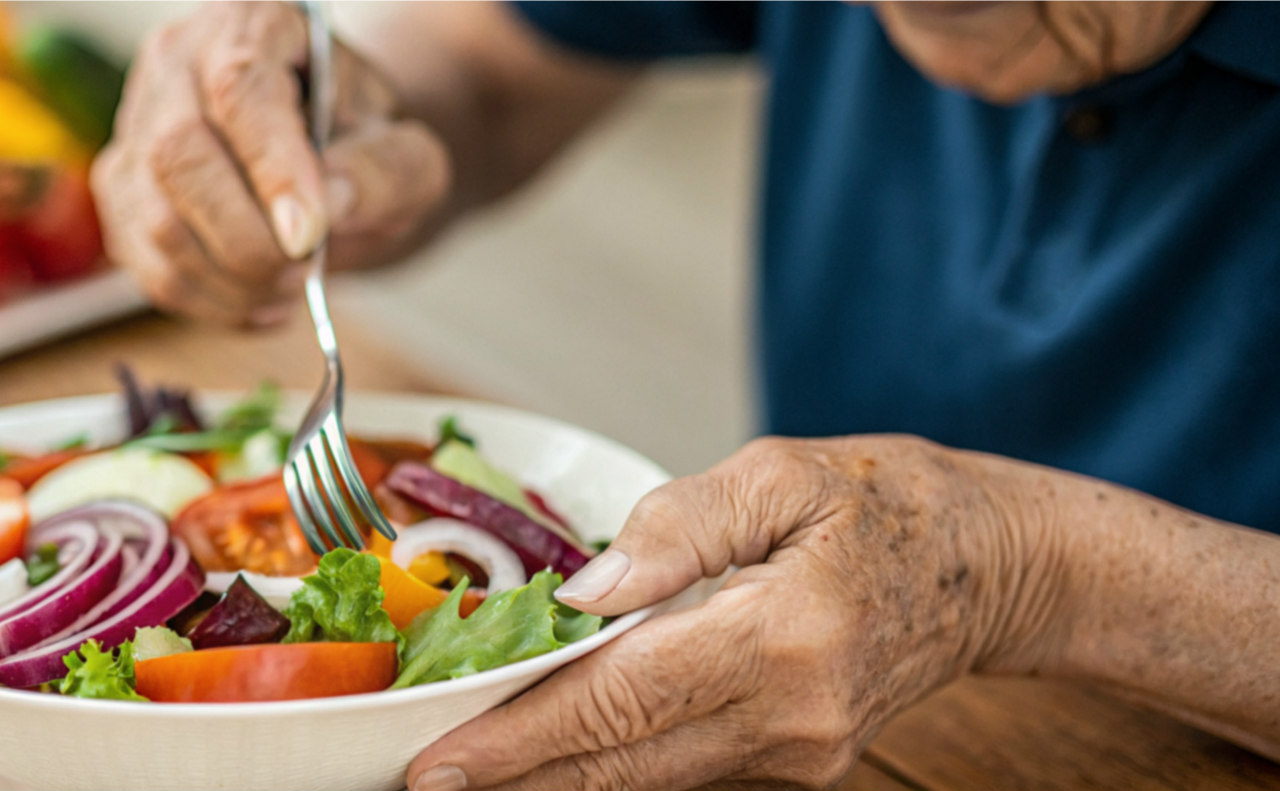
A healthy, balanced diet is crucial at every stage of life, but it becomes especially important in later years when the risk of chronic illness naturally increases. Nutrient‑dense eating patterns rich in fruits, vegetables, nuts, wholegrains, and legumes are linked with a lower likelihood of developing long‑term conditions such as heart disease, high blood pressure, and type 2 diabetes. For seniors already living with chronic conditions, a thoughtful diet can also help manage symptoms, stabilise energy levels, and improve overall quality of life.
Good nutrition does more than protect the heart and circulation. Diets focusing on colourful plant foods can support brain health, with some research suggesting they may help slow or reduce age‑related cognitive decline. Adequate calcium, vitamin D, and protein intake are vital to protect bones and joints and reduce the risk of falls, fractures, and frailty. As we age, digestion and nutrient absorption often become less efficient, so it is even more important that every meal counts: choosing foods like legumes, fortified cereals, and a variety of fruits and vegetables helps ensure seniors get the vitamins, minerals, and fibre they need.
For older adults receiving live‑in care, a healthy diet is one of the most practical and powerful ways to maintain independence at home. At Spring Retirement, our live‑in carers can plan and prepare meals that support specific health conditions, personal preferences, and cultural tastes, helping older people enjoy food while also meeting their nutritional needs.
There is no single worldwide definition of “organic”, but in the UK it broadly refers to food produced without synthetic pesticides, artificial fertilisers, genetically modified organisms (GMOs), or routine antibiotics and growth hormones in livestock. Instead, organic farmers rely on natural methods such as crop rotation, compost, and manure to maintain soil fertility and manage pests. This more traditional approach aims to work with nature, rather than against it, to create resilient and healthy farming systems.
UK organic standards are strictly regulated. Any pre‑packed food labelled “organic” must contain at least 95% organic ingredients and be certified by an approved body, such as the Soil Association. These organisations audit farms and food producers to check that they meet rules on animal welfare, soil health, and pesticide use. When you see the organic logo on packaging, you can be confident that the food has been produced under clear, independently inspected standards, which can be reassuring for seniors and families who want to minimise chemical exposure.
One of the most widely recognised benefits of organic food is the reduced level of pesticide residues. Conventional crops are often treated with synthetic pesticides; although these are regulated, small amounts can remain on food even after washing or peeling. Studies show that organic produce typically carries significantly lower pesticide residues, meaning a lower cumulative exposure over time—something particularly relevant for older adults who may already be managing multiple medications and health issues.
Organic farming can also influence the nutrient profile of foods. Research from European universities has found that organic milk and meat contain around 50% more omega‑3 fatty acids compared with conventional alternatives. Omega‑3s are heart‑healthy fats that support cardiovascular function, brain health, and inflammation control—key concerns for many seniors. Organic crops have also been shown to be about half as likely to contain cadmium, a toxic heavy metal that can accumulate in the liver and kidneys, potentially causing harm over the long term.
Beyond reduced contaminants, some organic fruits and vegetables appear to have higher levels of beneficial plant compounds, such as polyphenols and antioxidants. These substances help protect cells against oxidative stress, which is associated with ageing, inflammation, and diseases including cancer. One study on onions, for instance, found that organic onions contained around 20% more antioxidants than conventionally grown onions, hinting at a meaningful nutritional advantage.
For seniors, these differences may offer several potential benefits:
Better support for immune function.
Enhanced cardiovascular protection.
Potentially improved cognitive resilience.
Gentler overall toxic load on the body.
While scientists continue to debate the full extent of organic food’s advantages, many experts agree that diets rich in minimally processed, plant‑based foods—organic or not—are consistently linked with better health outcomes.
Choosing organic foods does not only have potential health implications; it also supports a more sustainable and ethical food system. Organic farming places a strong emphasis on soil health, biodiversity, and animal welfare. Fields are managed to encourage wildlife, soil organisms, and pollinators, which helps maintain resilient ecosystems and supports long‑term food security.
Organic standards also prioritise animals’ quality of life, encouraging outdoor access, space to move, and natural behaviours. Livestock are not routinely given antibiotics; instead, the focus is on preventative health, good husbandry, and appropriate nutrition. For many older people who care deeply about animal welfare and the legacy they leave for future generations, choosing organic can feel in line with their values.
Buying organic from local shops, farmers’ markets, or veg box schemes can further strengthen community ties. It keeps money within local economies and helps preserve smaller, independent farms—something many seniors appreciate, particularly those who remember a time when food felt more seasonal and less industrialised.
One of the main barriers to buying organic is cost. Organic products often carry a higher price tag due to more labour‑intensive farming methods and stricter regulations. However, you do not have to switch everything to organic to see potential benefits. A targeted approach can make organic eating more affordable and realistic, especially for those on a fixed income.
Many nutrition experts recommend prioritising organic versions of foods that tend to have higher pesticide residues, especially those you eat with the skin on. Examples include:
Apples, pears, and grapes.
Berries such as strawberries and peaches.
Leafy greens like spinach and lettuce.
Fruits with thick, protective skins—such as avocados, bananas, kiwis, and passion fruits—tend to have lower pesticide residues inside the edible portion, so buying these non‑organic can be a sensible compromise. Seniors might also choose a few staple items to buy organic, such as milk, eggs, or certain vegetables they eat frequently.
There is now a wide range of organic snacks and convenience foods available in UK supermarkets and on the high street. Options like organic oatcakes, yoghurts, dried fruit, nuts, and cereal bars can make it easier to snack more healthily between meals, while reducing exposure to artificial additives and pesticide residues. For older adults who tire easily in the kitchen, having a small selection of simple organic snacks to hand can help prevent skipped meals and maintain steady energy.
When a senior receives live‑in care, a professional carer can help plan shopping lists, read food labels, and prepare meals that incorporate organic choices, in line with personal budgets and preferences. At Spring Retirement, our carers work closely with clients and families to design realistic weekly menus that balance nutritional needs, favourite foods, and any medical guidance, such as dementia‑friendly nutrition or dietary requirements following surgery.
If you are interested in how live‑in care can support nutrition and wellbeing, you can read more about our tailored live‑in care services and specialist support such as dementia care, complex care, rehabilitation care and short‑term respite care. For more detailed questions, our helpful FAQ and areas we cover pages provide additional information.
Ready to combine the benefits of healthy, organic‑inspired eating with compassionate, one‑to‑one live‑in care at home? Spring Retirement offers nationwide support, with experienced carers who can help with everything from meal planning and shopping to cooking nutritious dishes that respect your tastes, budget, and medical needs. To discuss how we can help you or a loved one live safely and comfortably at home, call us today on 📞 01386 365 247 or email 📧 info@springretirement.co.uk, or get in touch via our contact us page.
